AOC-N Forges Strategic Partnership with the German Embassy for Passenger Documentation Training
Elevating Aviation Security Through Expertise and International Cooperation
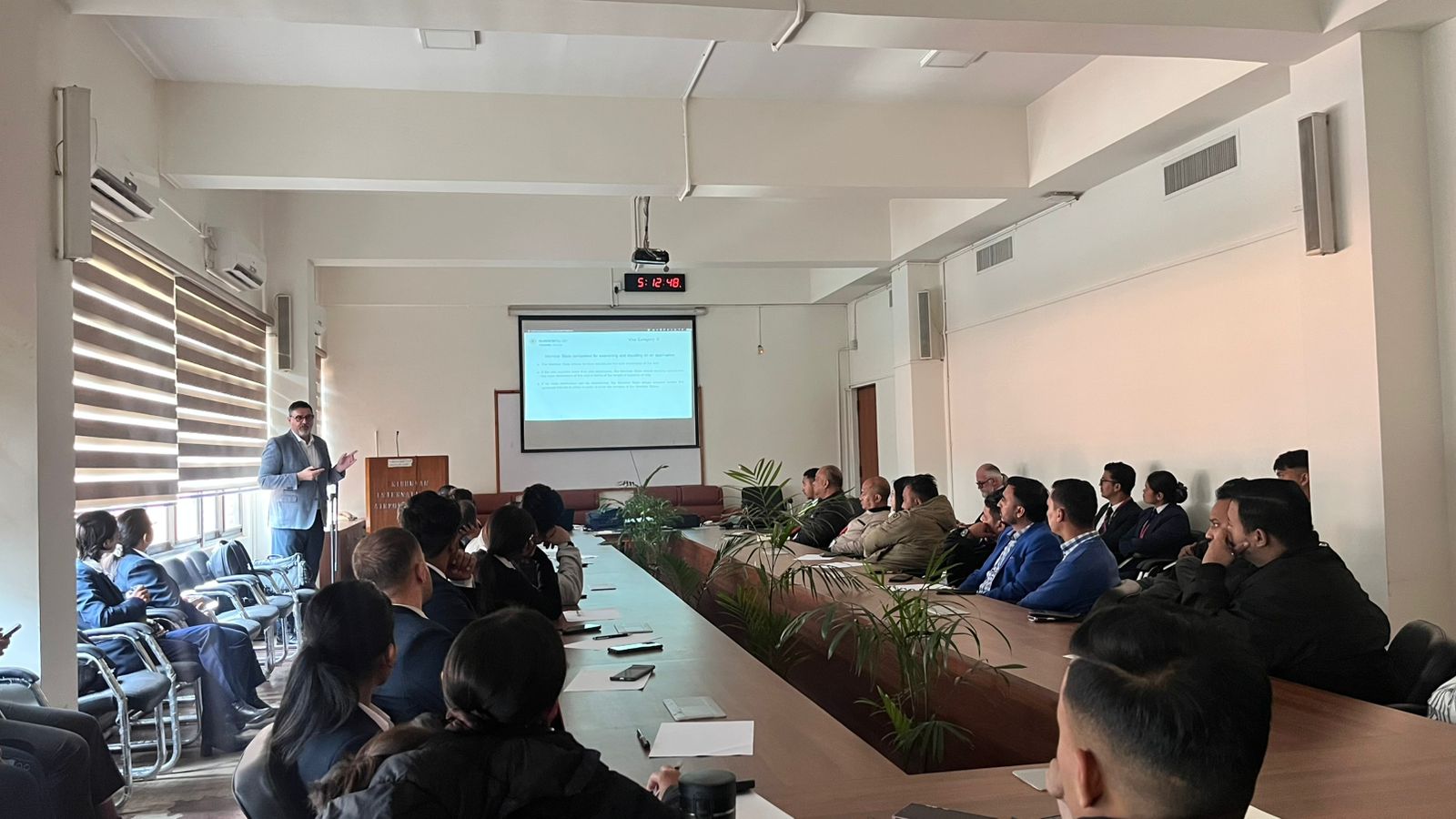
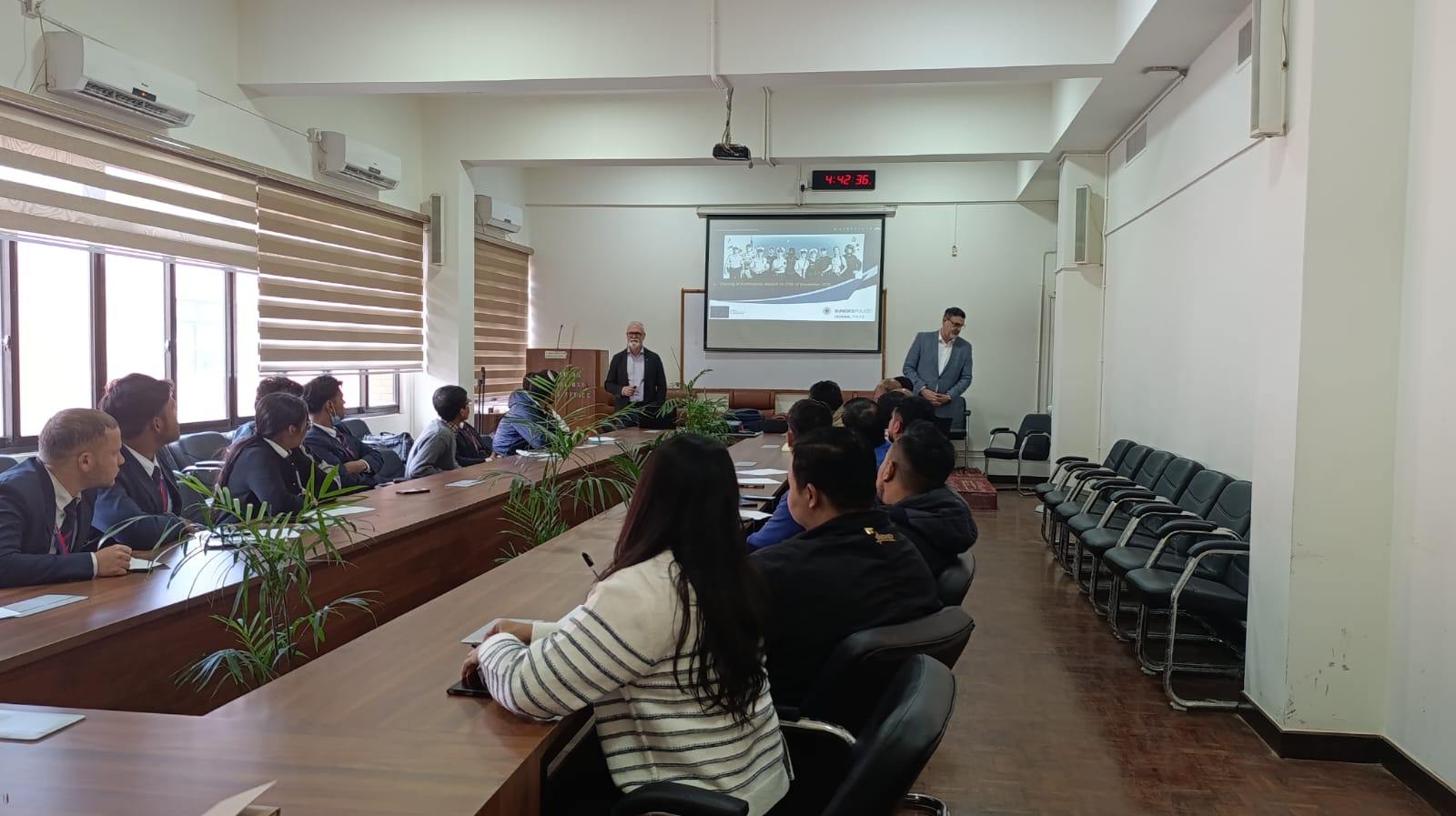
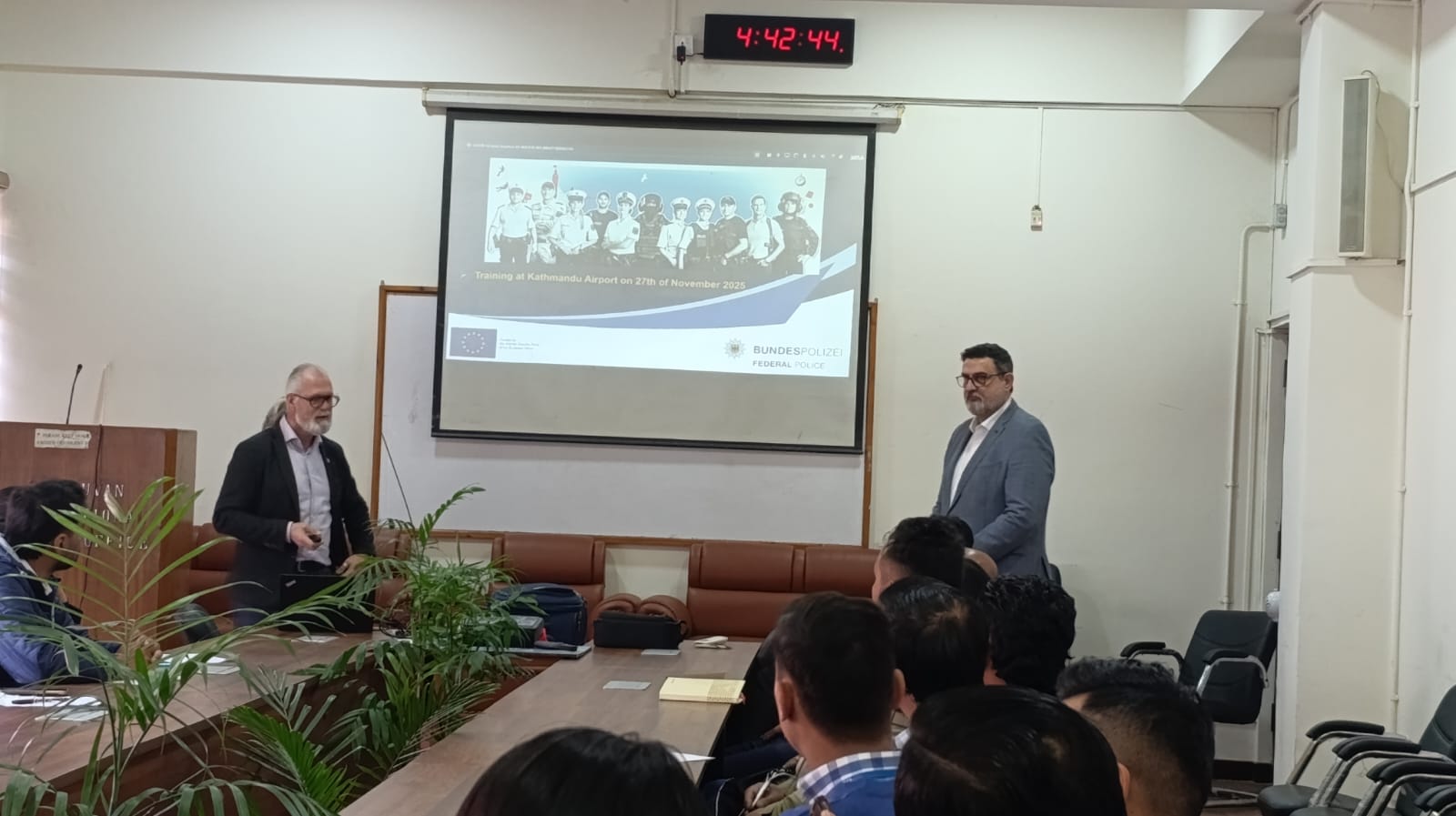
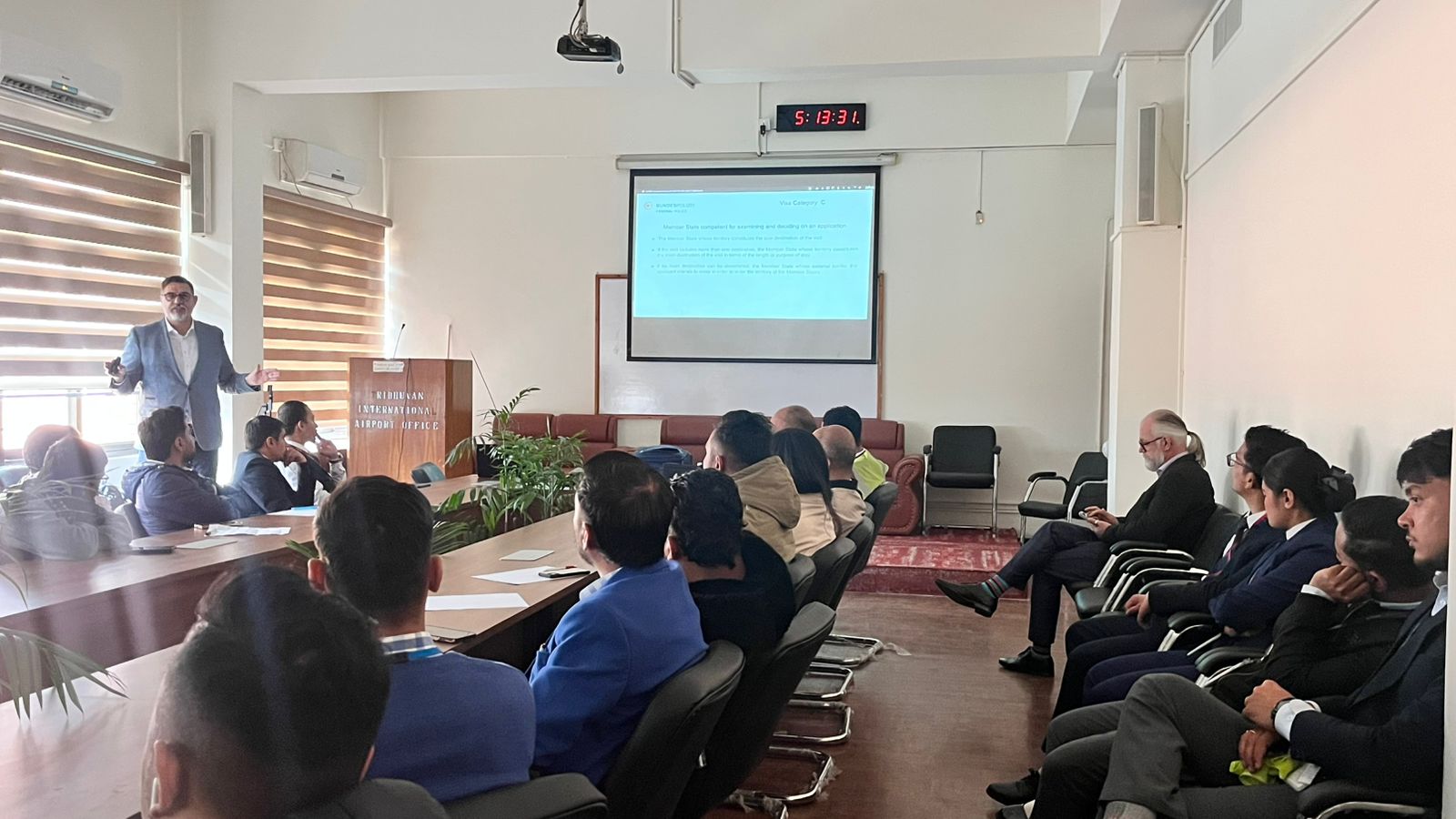
In a significant step toward strengthening global aviation security, the Airline Operators Committee Nepal (AOC-N) proudly marks the successful completion of a training program on Passenger Documentation Verification on 27th Nov 25, developed and delivered by Airline Liaison Officers, Embassy of the Federal Republic of Germany- New Delhi
This collaborative initiative reflects a shared commitment to empowering aviation professionals, enhancing frontline vigilance, and reinforcing one of the most critical layers of aviation security: pre-flight travel document screening.
Why Document Checks Are Non-Negotiable in Aviation ?
Long before passengers take their seats on an aircraft, a silent yet crucial process unfolds at check-in counters and boarding gates. This is the first and often most crucial line of defence in aviation security. It is not merely a procedural formality—it is a core security function designed to protect nations, airlines, and passengers. The verification of travel documents serves three fundamental purposes:
1. Protecting National Borders and Upholding Law
Airlines operate as the “first checkpoint” of a nation’s border control system. By verifying passports, visas, and travel permissions, airline staff help ensure that only properly documented travellers proceed. This is essential for preventing unauthorized entry and maintaining compliance with international immigration protocols and upholding international agreements.
2. Ensuring Flight Safety and Meeting Legal Obligations
Confirming a passenger’s identity and right to travel to the destination is a legal obligation. Airlines face legal, financial, and operational consequences for transporting improperly documented passengers. Penalties, fines, and mandatory return flights are only the beginning. Effective document checks are therefore a critical operational duty that safeguards airline integrity and on-time performance.
3. Preventing Crime, Fraud, and Security Threats
Document checks are vital in intercepting individuals traveling under false identities, involved in human trafficking, or posing security threats, thereby safeguarding all passengers and crew.
The Art and Science of Document Verification
Modern document verification blends precision, intuition, and continuous learning. The process goes far beyond matching a face to a photograph—it requires a trained eye and a structured, methodical approach:
1. Passport Verification
Airline agents check:
- Validity requirements (commonly six months’ minimum)
- Evidence of tampering or page substitution
- Security features such as holograms, microtext, perforations, intaglio printing
- Consistency in biodata and photo integrity
- Confirmation that the document holder is the rightful owner
2. Visa and Entry Requirements
This includes validating:
- Correct visa category
- Expiry dates and number of entries
- Transit permissions
- Schengen and non-Schengen entry conditions
- Rapidly evolving immigration rules
- API, PNR, and Watchlist Screening
Advanced Passenger Information allows governments to pre-screen travellers against:
- Security databases
- Interpol alerts
- National risk profiles
Cross-referencing document details with government-provided watchlists and Interpol databases in real-time before boarding.
Current Challenges Facing Frontline Document Screeners
The documentation landscape has grown more complex in recent years, creating significant challenges for staff:
- Increasingly sophisticated forgeries: High-quality fraudulent passports and visas are harder to detect.
- Regulatory volatility: Immigration rules can change overnight due to health crises, geopolitics, or policy updates.
- Time pressure during peak hours: Performing rigorous checks during high-peak boarding periods without causing unacceptable delays is a constant balancing act.
- Misuse of genuine documents: Individuals using authentically issued documents obtained through fraudulent means.
- Information gaps: Insufficient or outdated knowledge can lead to costly INAD cases.
Preventive Measures: Skills and Mindsets to Embed in Daily Practice
The training emphasized essential techniques and behavioural approaches that frontline staff must internalize:
1. The “Look–Feel–Tilt” Technique
A systematic examination method:
- Look for biodata irregularities
- Feel the texture, pressure marks, and thickness of pages
- Tilt to reveal dynamic security elements
2. Behavioural Assessment
Document checks are not limited to papers; trained staff observe:
- Nervous behaviour
- Hesitation in answering questions
- Inconsistent travel narratives
- Avoidance of eye contact
3. Country-Specific Knowledge
Understanding document features, fraud trends, and visa norms of various issuing countries strengthens the accuracy of checks.
4. Continuous Learning
Regular updates on:
- Visa changes
- Regulatory alerts
- Fraudulent document patterns
- Airport case studies
5. Scenario-Based Simulations
Hands-on practice helps staff build confidence during real-time high-pressure situations.
6. Clear Escalation Protocols
A “no-fear” environment encourages immediate reporting of discrepancies to supervisors or authorities, strengthening security culture.
A Partnership for Safer, Smarter, and More Secure Skies
The AOCN–German Embassy training is more than a technical workshop—it is a meaningful investment in human capability, built on international trust, shared responsibility, and professional excellence.
The expertise provided by the German Embassy’s **Airline Liaison Officers—Andreas Staedler, Arndt Koch, and Sarita Bhatia—**was instrumental in shaping a session that was informative, engaging, and deeply relevant to today’s aviation environment.
AOC-Nepal extends its sincere gratitude to:
- The Embassy of the Federal Republic of Germany
- Tribhuvan International Airport Civil Aviation Office
- Ground Handling Agent – Nepal Airlines
- All operating airlines
for their cooperation, participation, and unwavering commitment to secure and compliant travel.
Through partnerships like these, AOCN remains steadfast in its mission to foster global-standard training, elevate airport operations, and ensure that every aviation professional in Nepal stands prepared, vigilant, and empowered to uphold the safety of our skies.


