FOD Walk 2025
Overview
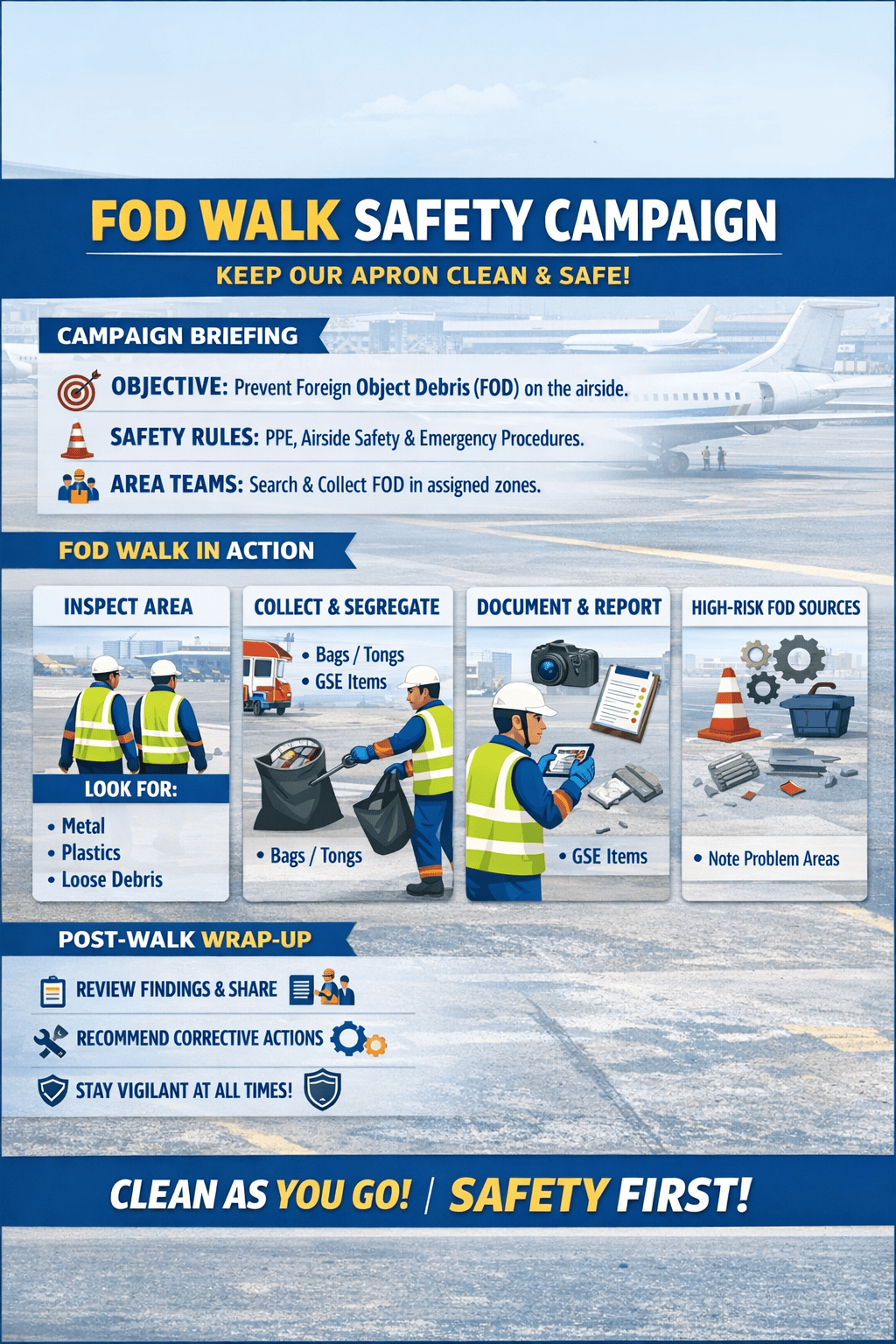
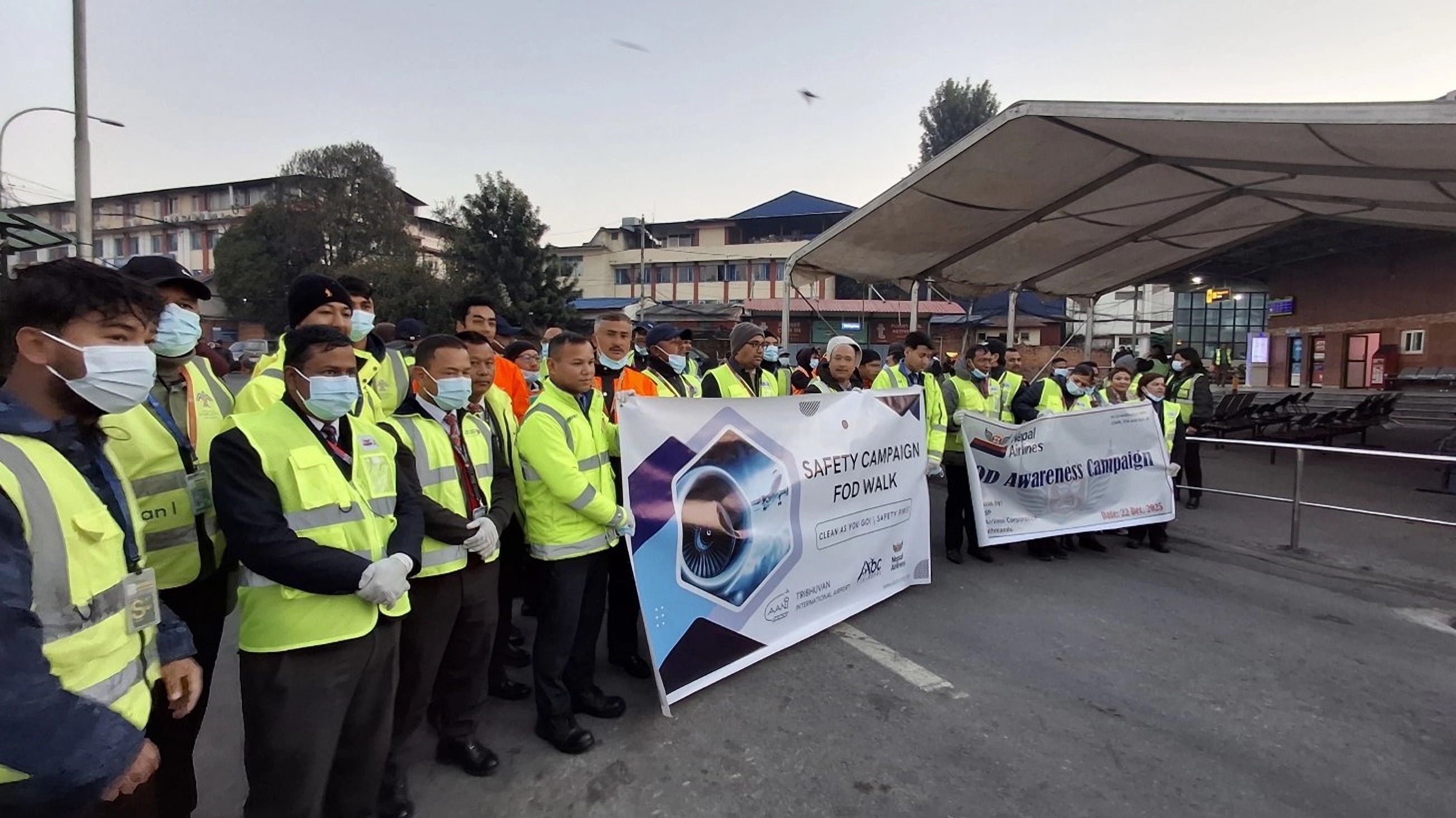
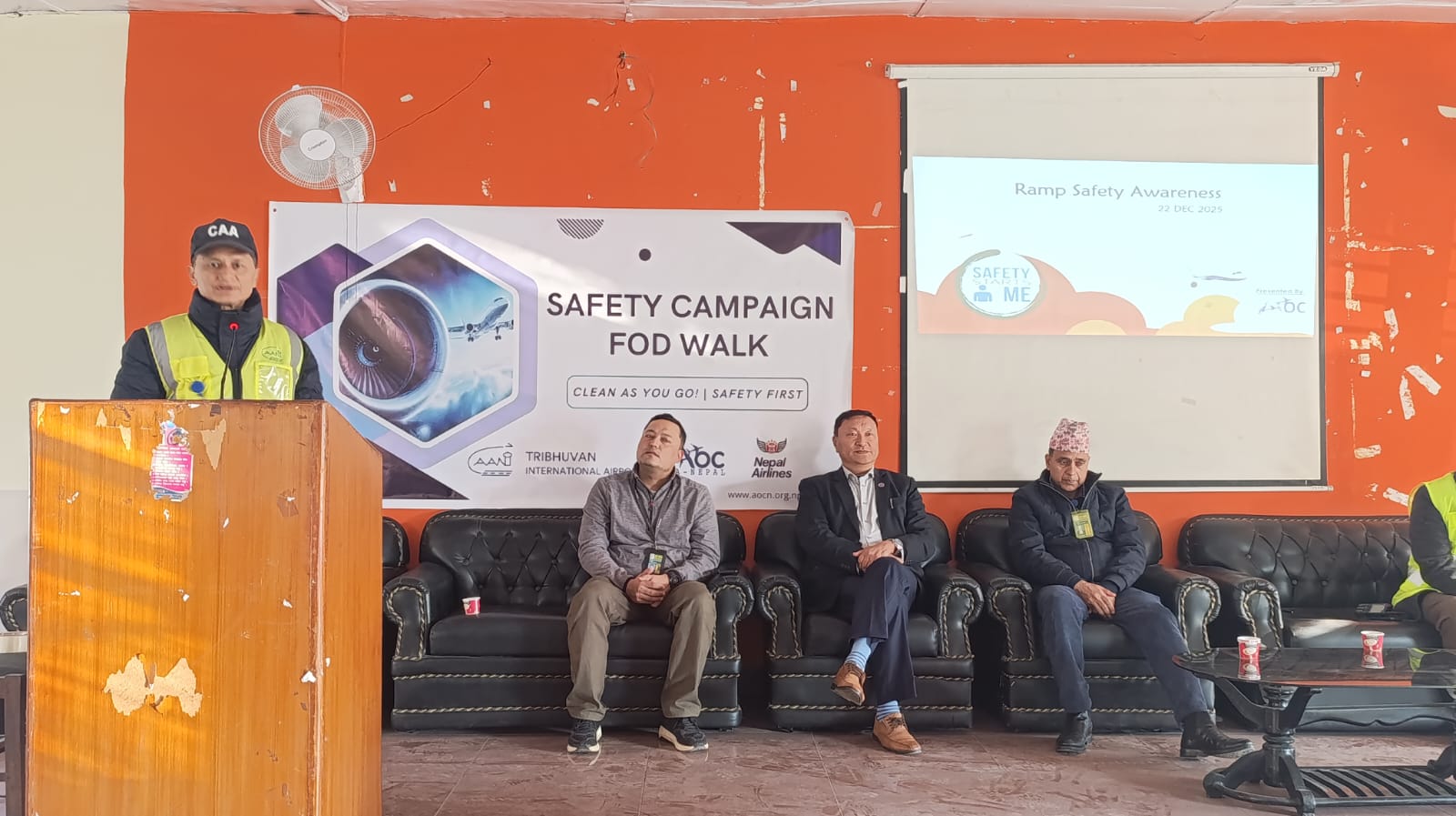
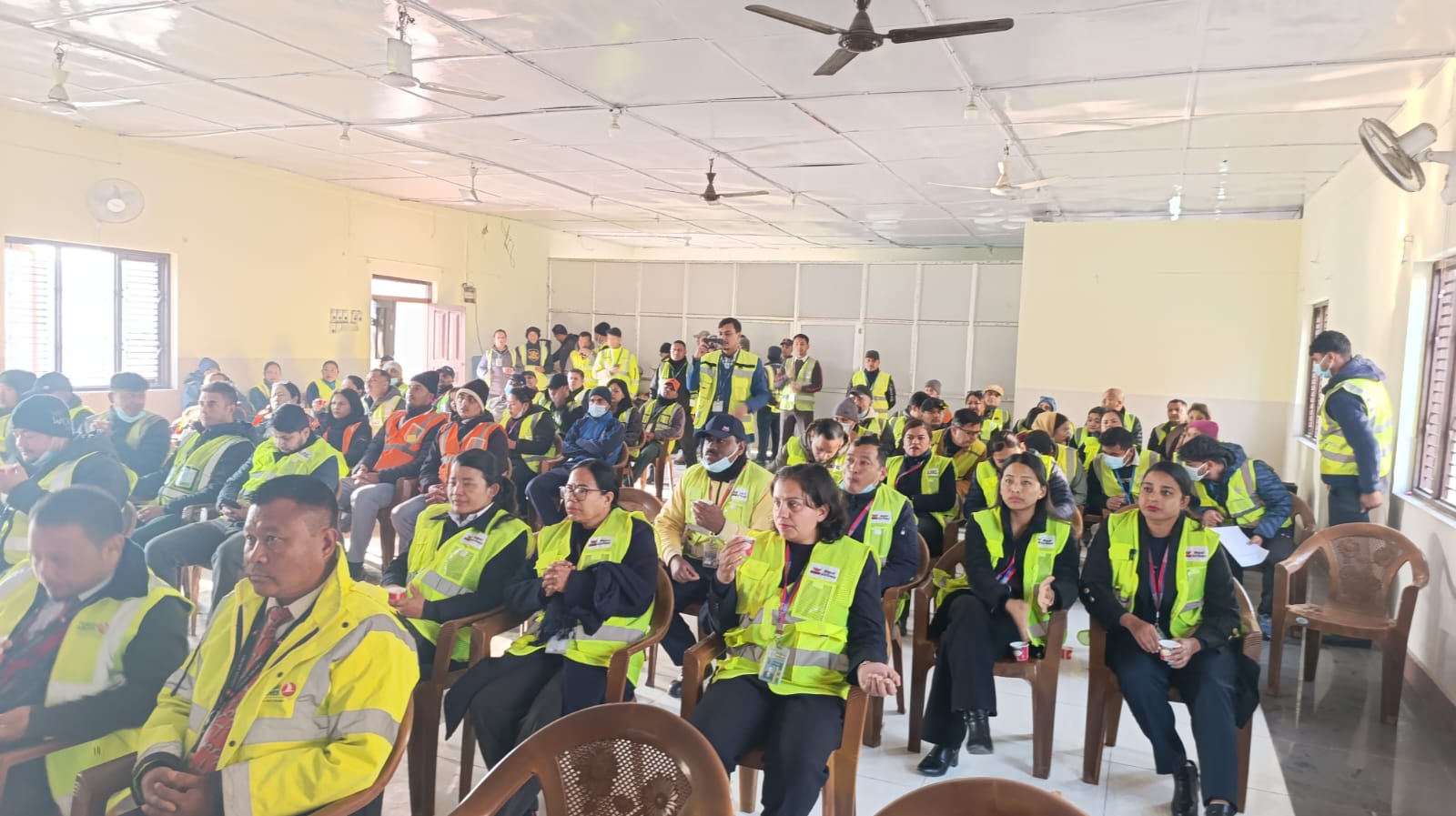
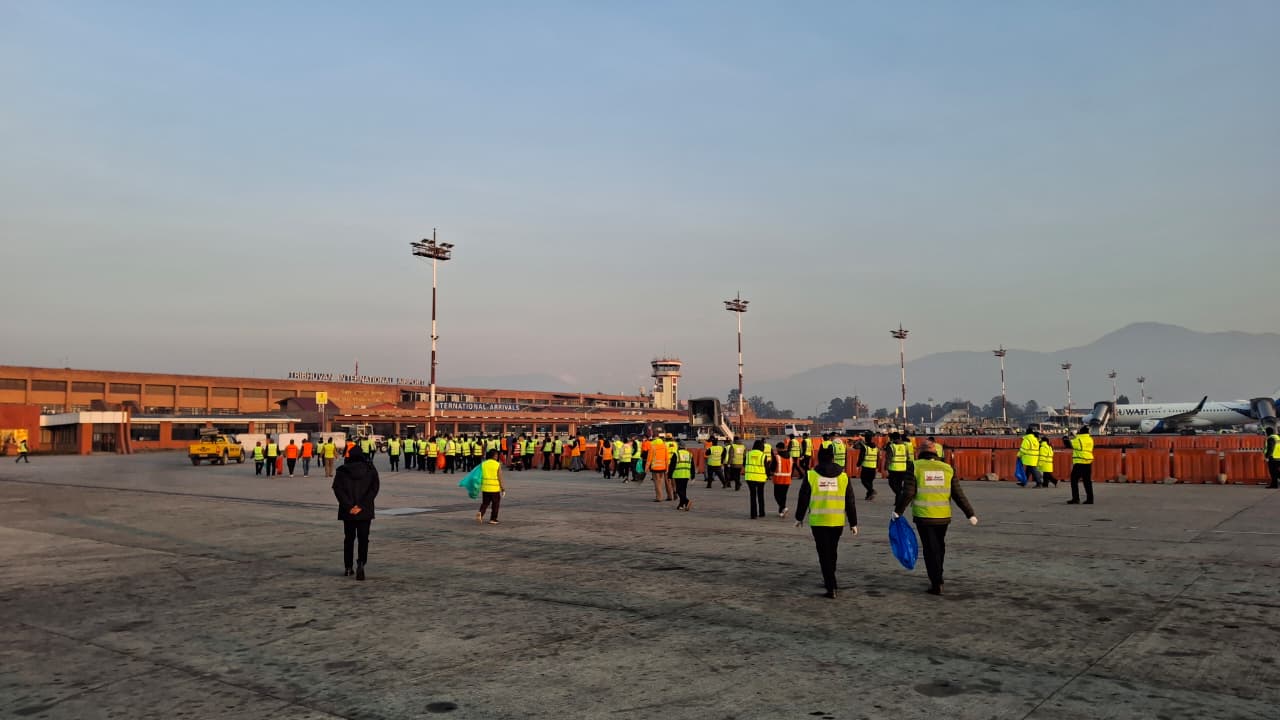
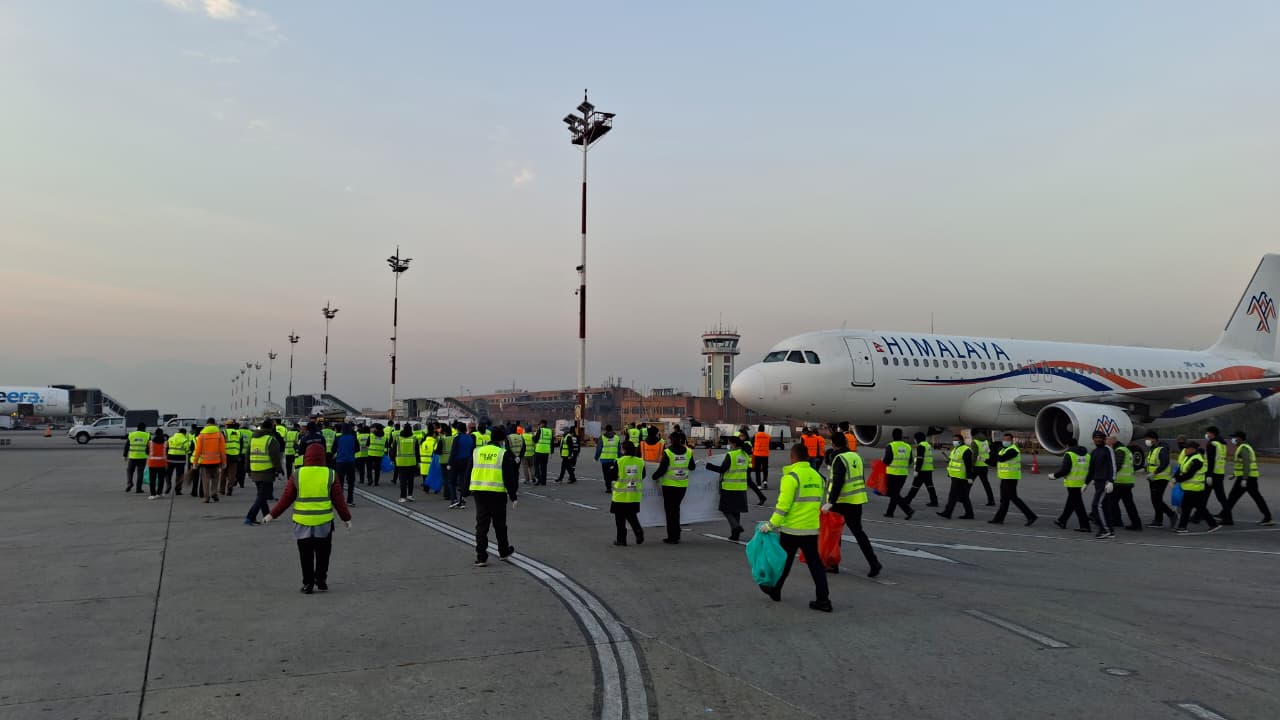
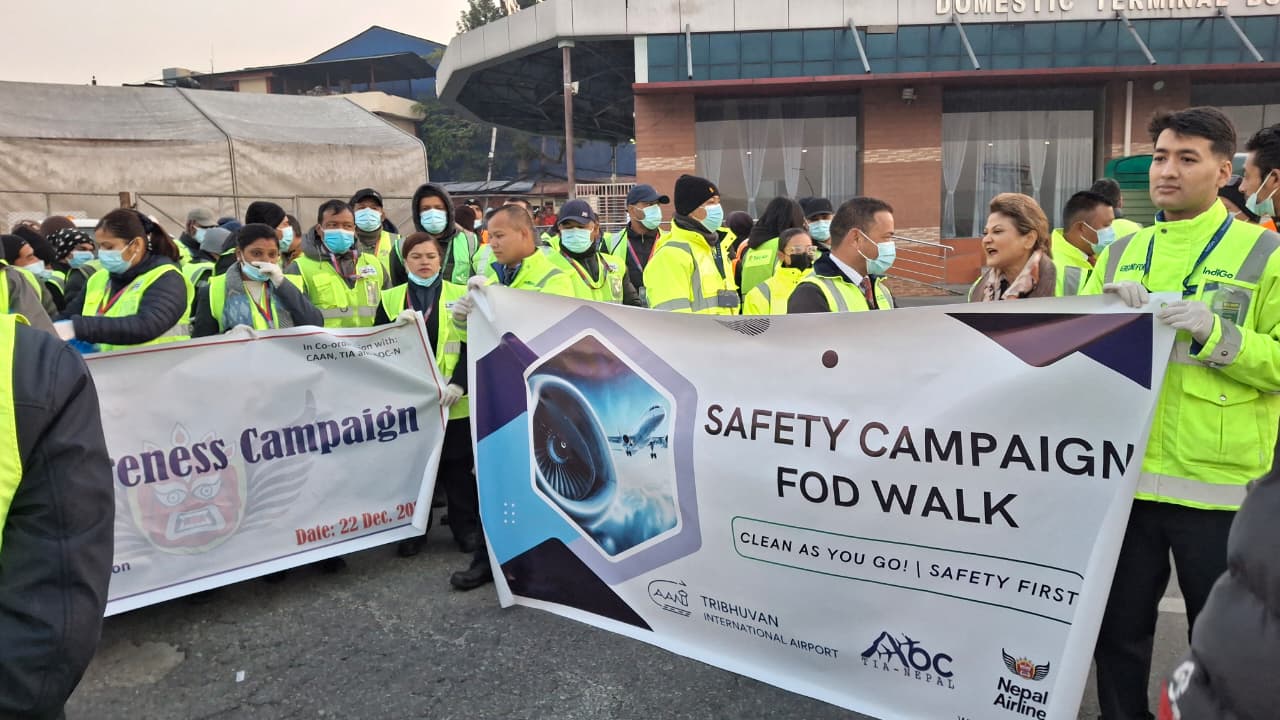
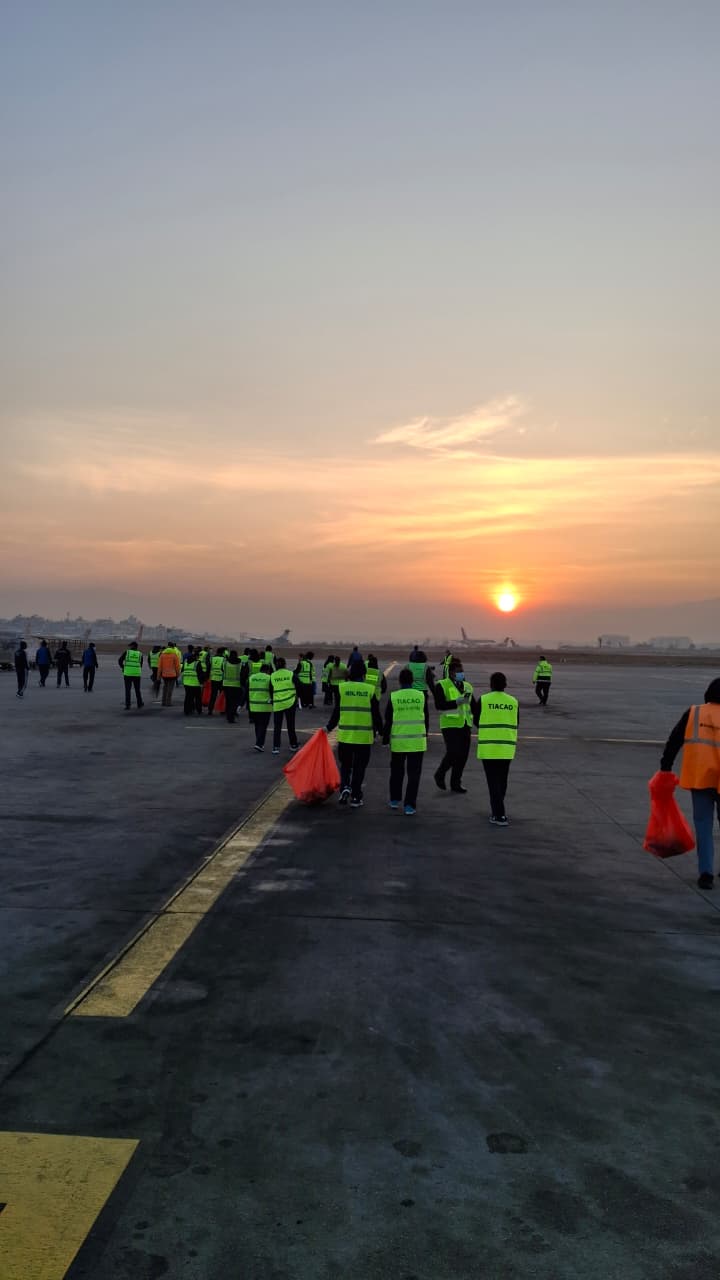
On the morning of 22 December 2025, airlines, airport authorities, ground handlers, security agencies, and safety teams gathered on the apron of Tribhuvan International Airport for a shared purpose: to walk the airside, eyes down, and make it safer. The result was the most coordinated FOD Walk in AOC-N's history.
Why FOD Matters in Aviation
Foreign Object Debris — any loose material on or near an active movement area — is one of aviation's most persistent and underappreciated hazards. A stray bolt, a discarded plastic cover, a fragment of gravel: each carries the potential to be ingested by a jet engine, puncture a tyre at rotation speed, or damage delicate undercarriage components. The consequences can range from costly ground incidents to catastrophic in-flight emergencies.
At Tribhuvan International Airport (TIA), Nepal's sole international gateway handling millions of passengers annually across dozens of airlines, the stakes are particularly high. The Airline Operators Committee – Nepal (AOC-N) — established in 1990 as the collective voice of airlines operating in and out of Nepal — recognised this and took the lead in organising the Safety Campaign – FOD Walk 2025, in close coordination with the Tribhuvan International Airport Civil Aviation Office (TIACAO).
"AOC-N views the FOD Walk not merely as a symbolic activity, but as a practical demonstration of collective accountability and proactive safety culture."
A Four-Phase Execution
The FOD Walk was meticulously structured across four phases, ensuring maximum coverage of critical airside zones without disrupting a single scheduled flight movement.
Phase I
Briefing & Safety Protocols
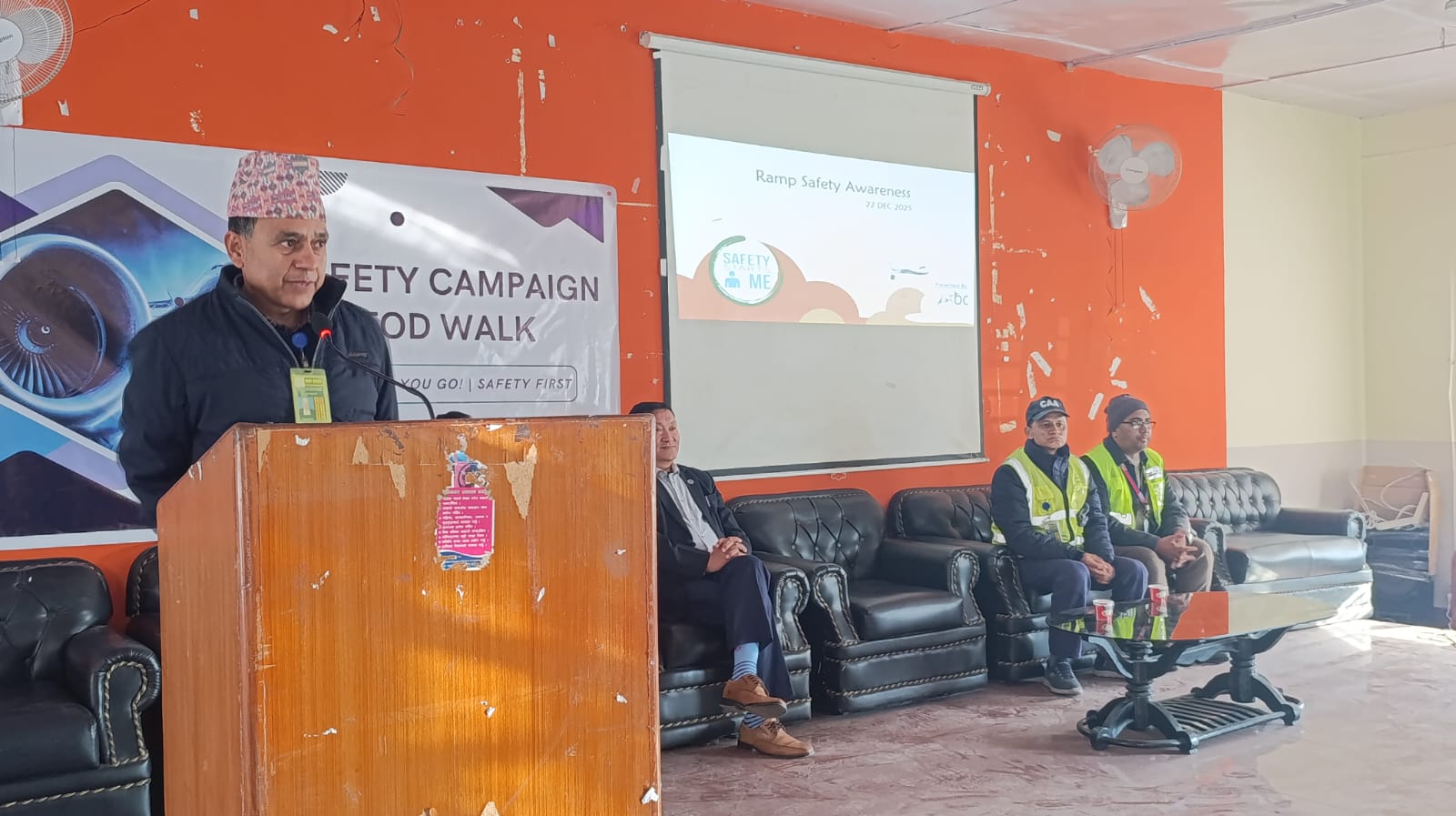
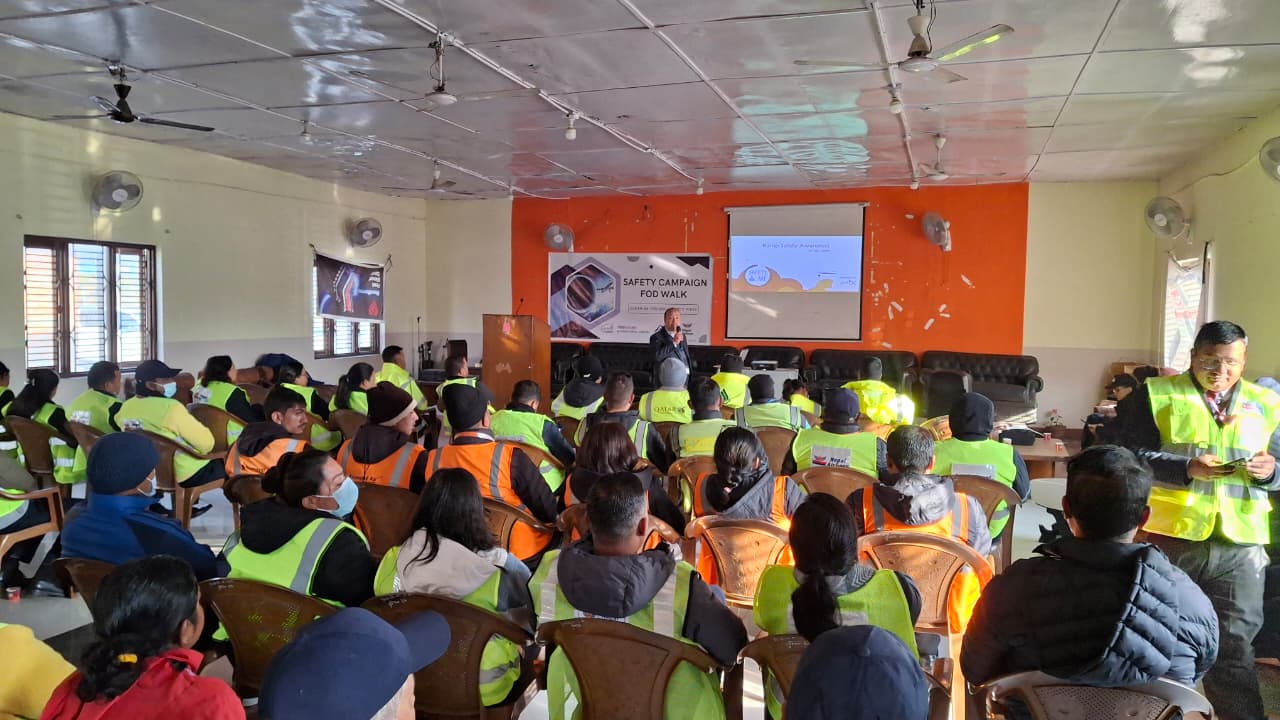
Airside Chief Mr. Umesh Kumar Panthi delivered a keynote on the "Collective Responsibility" model for FOD prevention. Participants received mandatory briefings on operational boundaries, ATC communication protocols, and safety marshal assignments.
Phase II
Deployment & Field Execution
Under the guidance of FOLLOW ME vehicles, participants were deployed systematically to high-priority zones including taxiway margins, apron sections, and GSE staging areas. All FOD was handled using full PPE.
Phase III
FOD Categorisation & Disposal
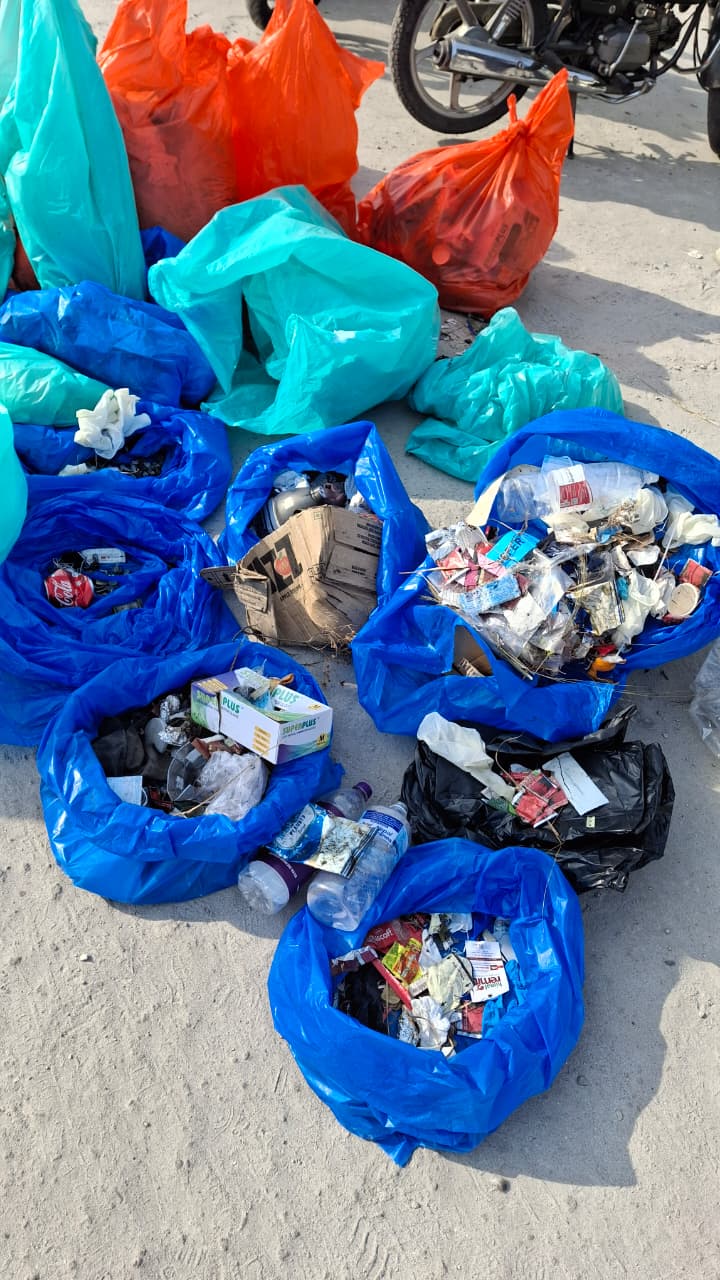
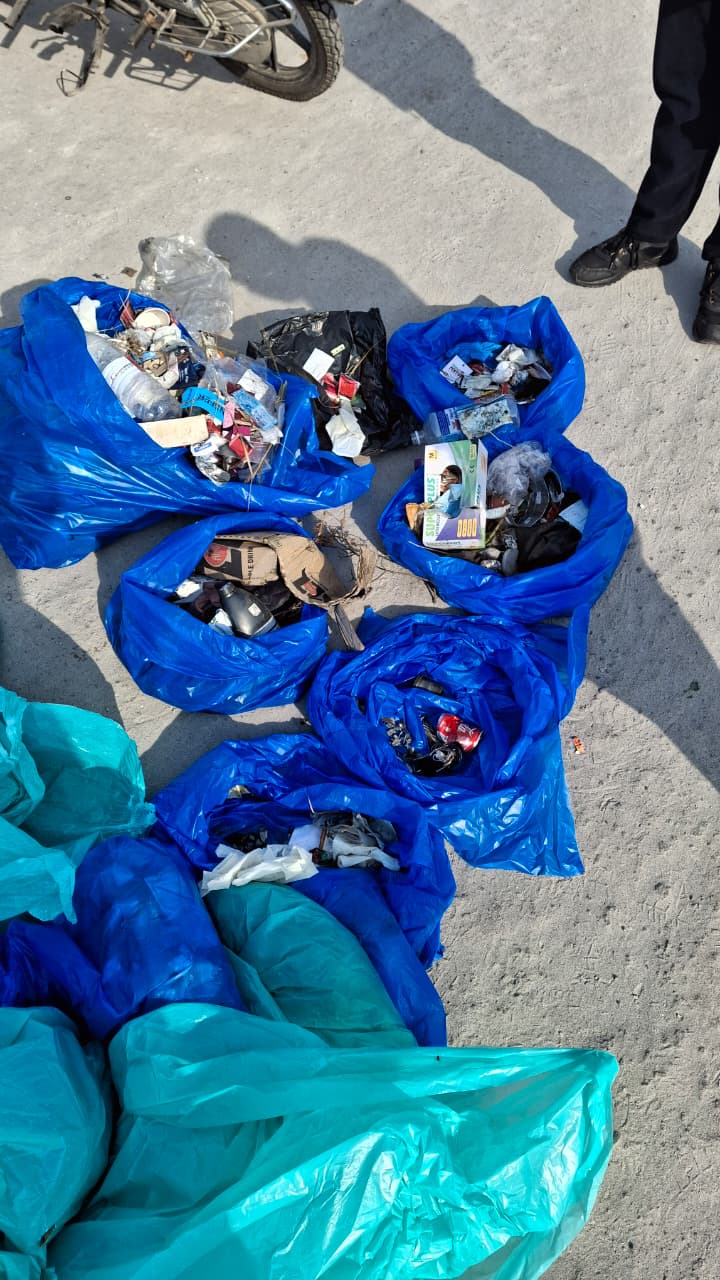
Collected debris was segregated using a colour-coded bagging system — Red for plastics, Green for biodegradables, Blue for metals — enabling data-driven trend analysis. All materials were processed through official waste management channels.
Phase IV
Conclusion & Logistics
The campaign was completed within the allotted window with zero impact on flight operations. Nepal Airlines provided all logistical support including industrial brooms, collection bags, masks, and gloves.
What Was Found — And What It Means
Debris was identified across all inspected zones — taxiway edges, apron areas, ramp sections, and GSE operating zones — demonstrating that FOD generation is not the responsibility of any single stakeholder. A significant proportion originated from routine ground handling, cargo operations, passenger services, and equipment maintenance. Construction activity near the airside was also flagged as a notable contributor.
FOD Collected by Category
| Category | Bag Colour | Weight | Items Found |
|---|---|---|---|
| Red – Plastics | Red Bag | 12 kg | Water bottles, disposable cups, trolley covers, cargo pallet covers, wrappers, gutka packets, damaged baggage handler wheel components |
| Green – Biodegradables | Green Bag | 10 kg | Baggage labels, fibre boxes, bag tags, paper packaging, tea cups |
| Blue – Metals | Blue Bag | 9 kg | Equipment bolts, nuts, aluminium canes, broken locks, bag chain heads |
The presence of 9 kg of metallic debris was of particular concern. Metal items — whether a stray bolt or a broken lock — carry an outsized risk of engine ingestion or tyre puncture. Their recovery was among the campaign's most significant safety contributions.
A Whole-of-Airport Effort
The breadth of participation across the campaign was exceptional, spanning international carriers, domestic operators, ground handlers, airport authority staff, and security forces.
International Airlines
· Nepal Airlines
· Himalaya Airlines
· Singapore Airlines
· Turkish Airlines
· Air India
· Malaysia Airlines
· Air Arabia
· Qatar Airways
· IndiGo
· flydubai
· Cathay Pacific
· Kuwait Airways
· Soaltee Gategourmet
Domestic Airlines
· Buddha Air
· Tara Air
· Yeti Airlines
· Shree Airlines
· Sita Air
· Summit Air
· Saurya Airline
· Fishtail Air
· Base Camp Helicopter
· Altitude Air
· Air Dynasty Heli Services
· Prabhu Helicopters
Authorities & Support
· Nepal Airlines (Ground Handler)
· TIACAO Operations
· Nepal Police
· Nepal Armed Police
· Nepal Army
· Safety & Quality – TIACAO
· Safety & Quality – Nepal Airlines
. Safety & Quality – Himalaya Airlines
Post-Campaign
Turning Findings into Lasting Change
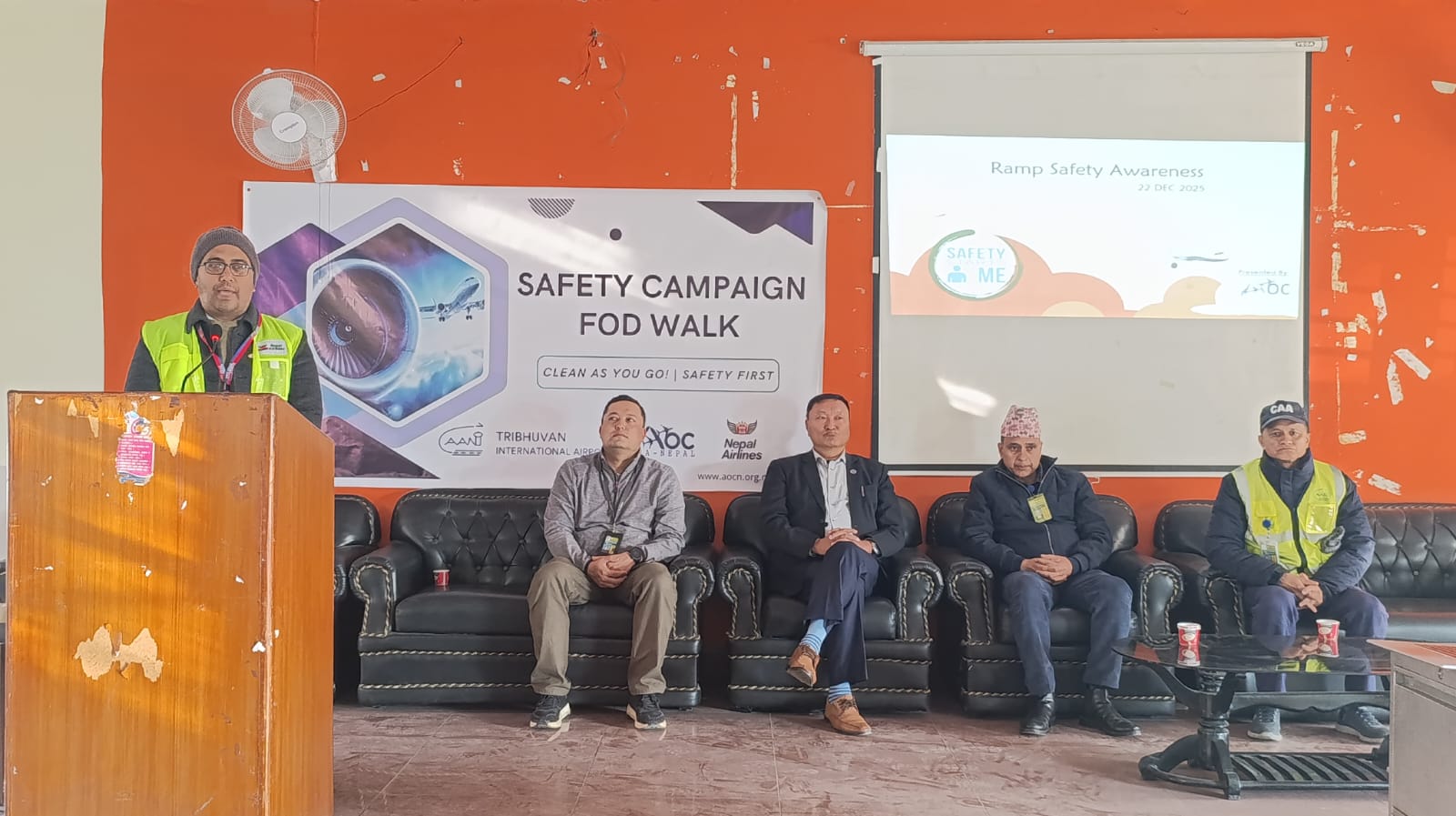
Completing the FOD Walk was only the beginning. A dedicated post-campaign safety awareness program, led by Acting General Manager of TIACAO Mr. Rinji Sherpa, ensured that the morning's on-ground lessons were translated into policy and operational behaviour — not left on the tarmac.
A Ramp Safety Awareness Session delivered by Mr. Nara Narayan Pakwan covered FOD prevention and reporting, PPE compliance, Equipment Restraint Area (ERA) protocols, fuelling safety zones, and occurrence reporting culture. Chairman AOC-N Mr. Abit Shrestha thanked all participants and reinforced the collective responsibility every airside worker carries.
Corporate Safety Manager of Nepal Airlines Er. Bikash Thapa underscored the airline's dual role as operator and ground handler, stressing compliance with established Safety Performance Indicators (SPIs).
Recommendations
Seven Steps Toward a Safer Airside
AOC-N has proposed the following actions to sustain and build on the momentum of FOD Walk 2025:
- Institutionalise Regular FOD Walks : Conduct walks on a fixed schedule with defined stakeholder participation, ensuring sustained vigilance year-round.
- Strengthen Preventive Controls at Source : Airlines and ground handlers must reinforce housekeeping and waste control at the point of operation — before debris reaches the apron.
- Enhance Ramp Safety Awareness Programs : Regular refresher sessions on FOD prevention, PPE compliance, ERA protocols, and ramp signage should become standard practice.
- Improve GSE Inspection and Maintenance Oversight : Enhanced monitoring of Ground Support Equipment with clear accountability for loose parts and damaged components.
- Promote a Strong Safety Reporting Culture : Personnel should feel empowered to report FOD hazards, unsafe conditions, and near-miss events without fear of reprisal.
- Sustain Leadership Engagement : Continued involvement of senior management in safety campaigns sends the clearest possible signal about organisational priorities.
- Integrate Lessons Learned into Daily Operations : Findings must flow systematically into SOPs, toolbox talks, and daily briefings — not remain confined to a post-event report.
Conclusion
Safety Is a Shared Runway
The Safety Campaign – FOD Walk 2025 removed 31 kilograms of debris from one of South Asia's most demanding airside environments. More than the weight of what was collected, it demonstrated something harder to quantify: that when airlines, authorities, handlers, and security forces act with a shared purpose, the results are immediate and meaningful.
AOC-N remains committed to ensuring that this campaign is not a one-time event, but the foundation of an enduring airside safety culture at Tribhuvan International Airport — one rooted in collective responsibility, continuous improvement, and the simple, powerful act of staying vigilant.


